Building a Stronger Foundation for Your Smile
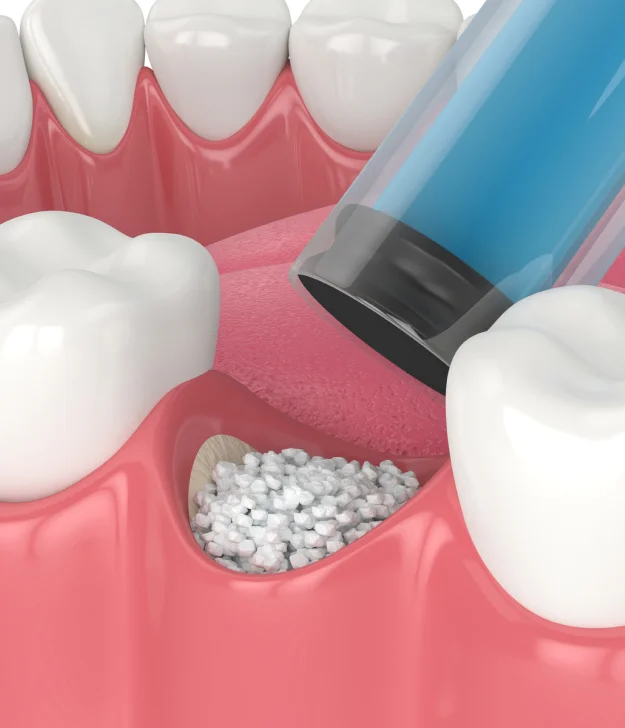
Jawbone can shrink or thin over time, often because of a missing tooth, longstanding gum disease, or an old injury. Bone grafting adds material to the affected area, giving the body a scaffold to grow new bone around and gradually restoring the strength and volume that was lost.
At All About Smiles Dentistry in Durant, we use imaging and a thorough exam to determine whether grafting is needed and how much bone the area requires. Bone grafting is often a preparatory step ahead of another treatment, such as a dental implant or a denture that needs a firmer base to rest on, and we will walk you through how it fits into your larger treatment plan. The goal of bone grafting is not just to add material to the area but to create a healthier foundation that can better support future dental treatment.
Find Out if You Need a GraftReasons a Bone Graft May Be Recommended
Bone loss does not always cause noticeable symptoms, but it can affect the strength and structure needed for certain dental treatments. A bone graft may be recommended when the jaw does not have enough volume or density to properly support a restoration.
- A tooth extraction that leaves behind a socket likely to shrink over time
- Longstanding gum disease that has worn away the bone supporting your teeth
- Wanting a dental implant without quite enough bone density to support it
- A denture that no longer fits well because of bone loss underneath it
- An old extraction site that has thinned significantly over the years
Types of Bone Grafting Material
Several types of graft material can be used depending on the size and location of the area being treated, including bone from your own body, processed donor bone, and biocompatible synthetic material. Each option is chosen to work with your body’s natural healing process, encouraging new bone to form in the treated area over time.
The type of graft selected depends on factors such as the amount of bone needed, the location of the treatment area, and your overall oral health. Understanding your options can help you feel more prepared before beginning the procedure. Our team will recommend the material best suited to your specific case during your consultation.
What a Bone Grafting Procedure Involves
Most bone grafting procedures are completed in a single visit, though the site needs time afterward to heal before it can support further treatment.
Numbing the Site
Local anesthesia keeps the treatment area comfortable throughout the procedure.
Accessing the Bone
The gum tissue is gently opened to reach the area of bone loss.
Cleaning the Area
Any diseased or damaged tissue is removed so the graft has a clean, healthy site to bond with.
Placing the Graft Material
The chosen graft material is carefully packed into the area that needs rebuilding.
Adding a Protective Membrane, If Needed
A membrane may be placed over the graft to hold it securely in position while it heals.
Closing the Site
Stitches close the gum tissue over the graft, protecting it as healing begins.
How Long Healing Takes
Bone grafts generally need a few months to fully integrate with the surrounding bone, though the exact timeline depends on the size of the graft and where it was placed. Once healing is complete and imaging confirms the area has built up enough strength, we can move forward with the next stage of your treatment, such as implant placement.
During the healing period, regular follow-up visits allow our team to monitor your progress and confirm that the graft is developing as expected. Following your aftercare instructions during this time can help support successful healing.
What Recovery Feels Like
Mild swelling and soreness for the first few days after grafting is normal and usually manageable with over-the-counter pain relief or a prescription, if needed. Keeping the surgical area protected during the early healing stage is important, as pressure or irritation can affect the recovery process. Sticking to a soft diet for the first several days helps protect the site while it begins to heal, and most patients return to their normal routine within a week. Our team at All About Smiles Dentistry in Durant will provide detailed instructions to help you care for the graft site properly at home.
Give Your Smile the Foundation It Needs
If bone loss is standing between you and the treatment you want, bone grafting may be the answer. Call our Durant team at 580-924-0660 or request a consultation online to learn more.
Schedule a Bone Grafting ConsultationFrequently Asked Questions About Bone Grafting
Imaging and a thorough exam are the most reliable ways to know, since our Durant, OK team needs to see how much bone density remains in the area. This is often discussed alongside plans for a dental implant or denture.
The area is fully numbed before the procedure, so most patients feel little to no pain during treatment. Some soreness afterward is normal and typically fades within a few days.
Most patients wait a few months for the graft to fully integrate before an implant can be placed. Your treatment plan will give you a clearer timeline based on the size of your graft.
The right material depends on the size and location of the area being treated, and our team will go over your options during your consultation. All options are chosen to work with your body’s own healing process.
No. Bone grafting can also help preserve a socket after an extraction, support a better-fitting denture, or address bone loss from longstanding gum disease.
Without enough bone in the area, some treatments, especially dental implants, may not be possible or may not last as long as they should. Grafting first helps set up a stronger, longer-lasting result.
Yes. Along with patients in Durant, we regularly treat patients from Calera, Colbert, Bennington, and other nearby Bryan County communities.
Coverage depends on your specific plan and the reason grafting is needed, and some plans cover a portion of the procedure. Our team at All About Smiles Dentistry can help check your benefits before treatment begins.