Filling the Gap a Missing Tooth Leaves Behind
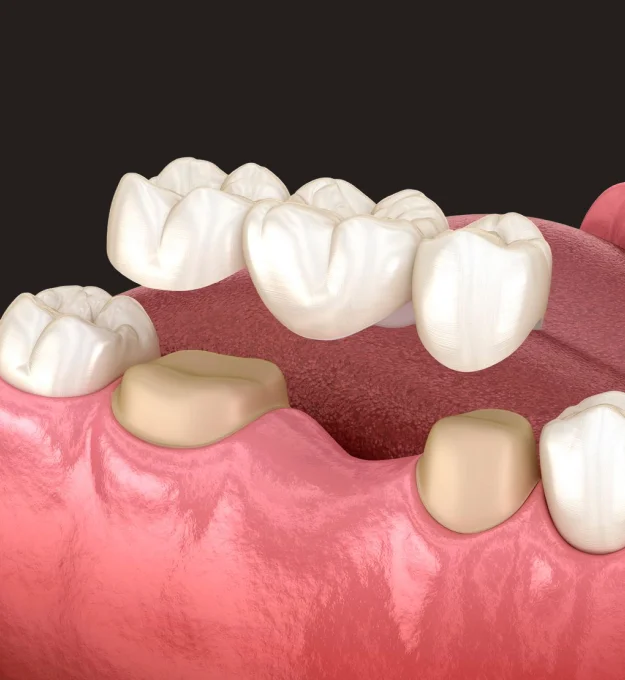
A bridge is one or more artificial teeth fixed permanently in place, filling the space left by a missing tooth. Traditionally, it is anchored by crowns placed on the healthy teeth on either side of the gap, though a bridge can also be supported by a dental implant when that is a better fit for your situation. Either way, the result is fixed in your mouth rather than removable, so it functions much like your natural teeth did.
At All About Smiles Dentistry in Durant, every bridge is custom-designed to match the shape, size, and shade of your surrounding teeth. Beyond restoring your smile, a bridge also helps keep your bite balanced and prevents the shifting that often follows a tooth being left unreplaced.
Schedule a ConsultationWhy Replacing a Missing Tooth Matters
An empty space left by a missing tooth rarely stays static over time.
- Neighboring teeth can gradually shift into the empty space
- Your bite can change, adding strain to other teeth
- Chewing on the affected side can become more difficult
- Bone loss can accelerate in the area of the missing tooth
- Your smile and speech can be affected depending on the location
Types of Bridges
Not all bridges are built the same way, and the right type depends on the condition of the teeth next to the gap and your treatment goals.
- Traditional bridge: Relies on the two teeth next to the gap, which are reshaped and covered with crowns that anchor the replacement tooth between them.
- Implant-supported bridge: Relies on one or more small titanium posts placed in the jaw, so the healthy teeth on either side are left untouched.
Our team can walk you through which option fits your situation and treatment goals best during your visit.
Building Your Bridge, Visit by Visit
A traditional, tooth-supported bridge is typically completed over two visits, with a short wait in between for your custom bridge to be crafted.
Evaluating the Gap and Surrounding Teeth
We check the health of the teeth on either side of the space and confirm a bridge is the right fit.
Preparing the Anchor Teeth
The two supporting teeth are numbed and reshaped to hold the crowns that will anchor your bridge.
Taking an Impression or Scan
A detailed impression or digital scan captures the exact shape needed for your custom bridge.
Wearing a Temporary Bridge
A temporary bridge protects the prepared teeth and keeps your smile complete while the permanent one is made.
Fitting Your Custom Bridge
At your next visit, we check the fit, bite, and appearance of your finished bridge.
Bonding It Permanently
Once everything looks and feels right, the bridge is bonded securely into place.
Benefits of Dental Bridges
A bridge does more than fill a visible gap, it offers real functional advantages as well.
- Restores comfortable chewing: With the gap filled, you can bite and chew normally on both sides of your mouth instead of favoring the unaffected side.
- Supports the natural shape of your face: Missing teeth can allow the surrounding structures to change over time, and a bridge helps maintain the support your bite normally provides.
- Keeps neighboring teeth in place: Filling the gap prevents nearby teeth from gradually drifting into the empty space, which can otherwise lead to a shifted bite.
- Distributes bite forces evenly: A properly fitted bridge shares chewing pressure the way your natural teeth would, reducing extra strain on the teeth around it.
- Fits into a manageable timeline: A traditional bridge can often be completed in as few as two visits, so you are not waiting long to have your smile and function restored.
Caring for a Bridge
A bridge is brushed just like your natural teeth, though flossing takes a slightly different technique since the replacement tooth is connected to the crowns on either side. A floss threader or a water flosser can make it easier to clean underneath the bridge, where plaque tends to collect if it is missed. Our team can show you the technique that works best so the area stays healthy over the years.
With consistent care, a bridge commonly lasts ten to fifteen years, and some last considerably longer. Its lifespan depends heavily on the health of the anchor teeth, your bite, and how consistent you stay with brushing, flossing, and routine visits.
Restore Your Smile With a Custom Dental Bridge
The sooner a gap is addressed, the less chance nearby teeth have to shift out of position. Call our Durant team at 580-924-0660 or request an appointment online, and we will help you decide on the right way to replace it.
Request an AppointmentFrequently Asked Questions About Dental Bridges
A traditional bridge is usually completed over two visits, spaced about one to two weeks apart. An implant-supported bridge takes longer overall, since the implant needs time to heal before the bridge is attached.
The teeth being prepared are numbed beforehand, so most patients feel pressure rather than pain. Some mild sensitivity in the days following each visit is normal.
Most bridges last ten to fifteen years with consistent care, and many last longer. Keeping the anchor teeth healthy through regular brushing, flossing, and checkups makes a real difference.
A floss threader or a water flosser helps reach the space underneath the replacement tooth, where a regular string of floss cannot easily go. Our Durant team can show you the technique in person.
A bridge is fixed permanently in place and is not removed, while a partial denture is a removable appliance that can be taken out for cleaning. Which is the better fit depends on your specific situation and preferences.
Yes. An implant-supported bridge is a good option when you want to avoid reshaping healthy neighboring teeth or when there are not enough healthy teeth nearby to support a traditional bridge.
Yes. Along with patients in Durant, we regularly design bridges for patients from Calera, Colbert, Bennington, and other nearby Bryan County communities.
Many dental insurance plans cover a portion of a bridge, though coverage and annual limits vary by plan. Our team at All About Smiles Dentistry can check your specific benefits before treatment begins.